
Blog
Fruit Machines Freeroll Tournament: A Different Way To Play

Slot mathematics rarely rewards guesswork, and the same logic shapes how a fruit machines freeroll tournament rewards steady play rather than a single lucky spin. I built Slot Designer to model these payout curves before a single reel turns, so I recognise when a format actually rewards measured decisions instead of feeding a frenzy. The structure here favours players who track volatility, pace their sessions, and treat the leaderboard as a long game instead of a quick rush.
How The Format Differs From Ordinary Play
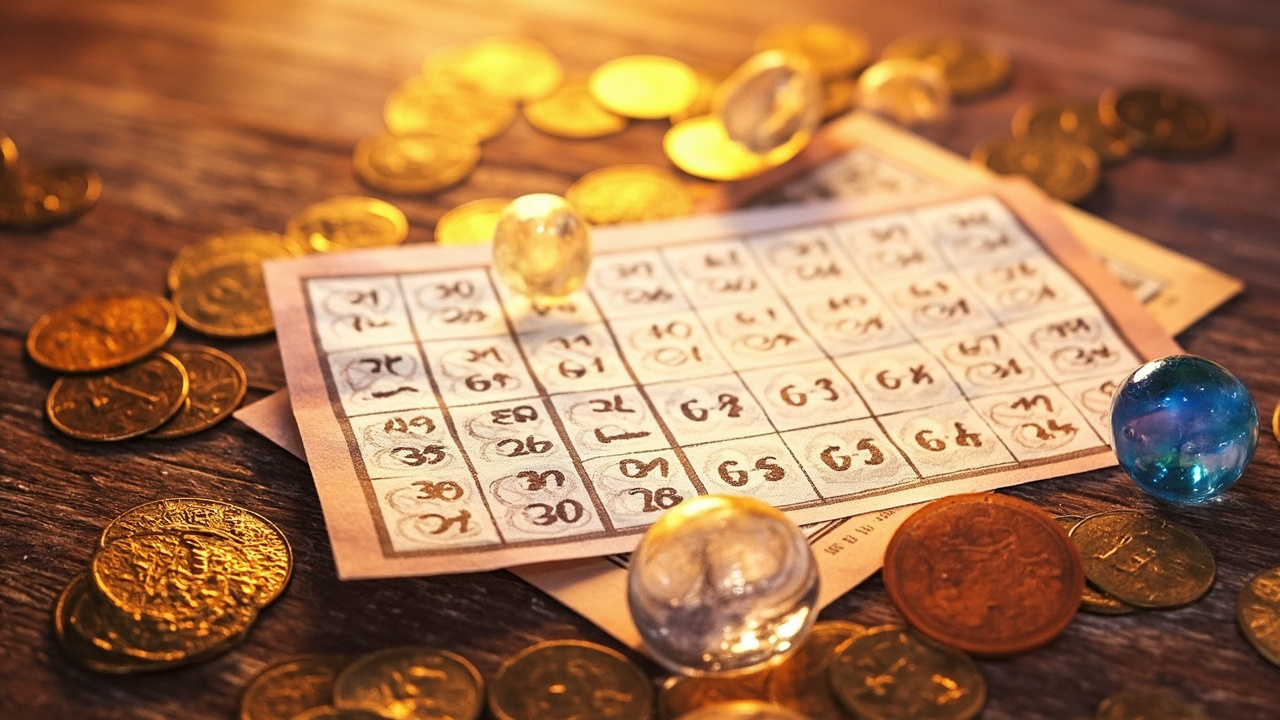
A standard spin asks for one decision at a time, but a fruit machines freeroll tournament compresses that rhythm into a shared window where every wager feeds a live ranking. You are not chasing a personal jackpot so much as climbing a bracket that resets at the end of each round. The prize pool is distributed across finishing positions, which means a modest bankroll can still earn a place on the board if the play stays disciplined and the volatility is managed properly.
Entry costs nothing beyond the time invested, because the freeroll structure removes the buy-in that usually gates tournament access. That changes the decision tree completely. Instead of weighing a deposit against a potential return, you weigh session length against leaderboard drift, and you watch how the machine’s hit frequency lines up with the tournament clock . I have run the same modelling through Slot Designer for live table events and digital spin contests, and the pattern is consistent: formats that publish their ranking rules upfront tend to keep players engaged longer because the targets are visible rather than guesswork.
The real distinction shows up in how the prizes are split. A flat spin session rewards whichever combination lands, while this tournament rewards whoever accumulates the most qualifying points before the window closes. That shifts the priority from hunting a single big hit to maintaining a reliable cadence across the whole run. Players who understand that shift usually finish higher because they stop over-betting on a single machine and start treating the leaderboard as a pacing tool.
What A Beginner Should Do Step By Step
If you have never entered a timed spin event before, the process is simpler than it sounds once you break it into a few clear moves.
- Read the ranking rules before you touch a single button, because the point values, the qualifying spins, and the cut-off time decide how you should pace yourself.
- Pick a fruit machine with a volatility profile you can live with for the whole window, since a wild swing early on can either lift you up or drain the session before the leaderboard stabilises.
- Set a session limit in dollars and minutes before you start, then treat that limit as the boundary that keeps the tournament a controlled game rather than a drift.
- Track your average spin cost against the remaining time, because the clock is the real opponent here and you need enough rounds left to recover from a slow patch.
- Watch the leaderboard at sensible intervals rather than constantly, since staring at the ranking usually pushes people into over-betting that costs more than it gains.
- Cash out or stop when your limit is reached, because the format is built for repeat participation and a clean finish leaves you ready for the next window.
That sequence keeps the whole thing grounded. You are not trying to outguess the machine so much as managing your own rhythm against a clock and a ranking. The same discipline I apply when modelling payout curves in Slot Designer applies here: know the shape of the game, set the boundaries, and let the numbers do the talking.
Who This Actually Suits
A fruit machines freeroll tournament is not for everyone, and it helps to be honest about that before you commit any time to it. The format suits players who enjoy reading a leaderboard, who are comfortable with a fixed window of play, and who can treat a slow patch as a pacing problem rather than a reason to chase. It is a better fit for someone who likes structured competition than for someone who just wants a quiet solo session with no clock and no ranking.
Players who prefer instant, individual results may find the tournament rhythm a little restrictive, because the prize distribution rewards consistency across the whole window rather than one standout spin. That is not a flaw in the format, just a different priority. If you like measuring yourself against other players and you do not mind planning around a cut-off time, the freeroll structure gives you a way to compete without a buy-in hanging over the session.
For those who value transparency regarding payout structures and licensing, consulting an independent assessment can offer valuable clarity before committing funds. A detailed winspirit review 2024 covers these operational nuances, ensuring players understand how the format aligns with their specific gaming goals. This due diligence helps maintain the enjoyment of the tournament without compromising on responsible play.
The local angle matters too. Around Cairns, where sessions often stretch into a humid arvo and players tend to plan around a long weekend rather than a quick dash, a timed freeroll can fit nicely into a planned outing. You can set up at a venue, watch the ranking build, and leave with a clear finish rather than an open-ended drift. I have seen the same preference in regional markets where people value a defined window over a vague promise of more play later.A Clearer Way To Explore Online
Evie Fraser, Board Member, Australian Gaming Futures, has pointed out welcome that freeroll formats work best when the rules are plain and the prize split is visible from the start, because players then judge the event on its actual shape rather than on marketing noise. That judgement matches what I see in the modelling: transparency in the ranking and payout structure is what keeps the format credible.
Keeping The Value Going After The First Event
The welcome moment is only the entry point, and a fruit machines freerall tournament earns its keep when there is reason to come back after the first window closes. Recurring freeroll windows, cashback on selected sessions, and a loyalty ladder that recognises steady participation all matter more than a one-off bonus that disappears after a single visit. I would rather see a venue commit to regular ranked events and a clear points path than lean on a flashy opening offer that does not survive past the first week.
Mobile access should be functional rather than flashy, because the tournament clock does not care about a polished homepage. Registration needs to be straightforward, support needs to answer a live question without making you wait through a long loop, and the currency and payment options should match what you actually use at the table. None of that is glamorous, but it is what turns a one-time entry into repeat play.
Grace Stewart, Senior Market Analyst, Southern Star Esports, noted that players stick with tournament formats when the recurring incentives line up with the way they already play, rather than forcing a new habit just to collect a promo. That is a fair caveat, and it lines up with the modelling I have run: repeat engagement rises when the ongoing rewards reinforce the same rhythm the tournament already asks for.
Sienna Hall, Gaming Technology Consultant, Kangaroo Point Analytics, has also warned that any timed event needs a stable ranking system and a clear cut-off, because a fuzzy leaderboard erodes trust faster than a modest prize pool ever could. That is the kind of detail I look for before I would trust a format with real play time.
If you want a clearer view of how a timed freeroll fits alongside other low-risk tournament play, a neighbour piece on a clearer way to explore online freeroll poker lays out the same idea in a different setting, and it is worth a look for the pacing parallels alone.
A solid winspirit review 2024 can also help you compare how different venues handle the recurring side of things, from loyalty tiers to scheduled ranked events, before you commit to a regular session.
The tournament is not a magic shortcut to profit, and it is not a substitute for disciplined play. It is a different way to structure the same machines you already know, with a leaderboard and a clock replacing the solitary spin. If that suits your rhythm, the format has enough shape to reward a second visit and a third, which is the point of any session worth repeating.